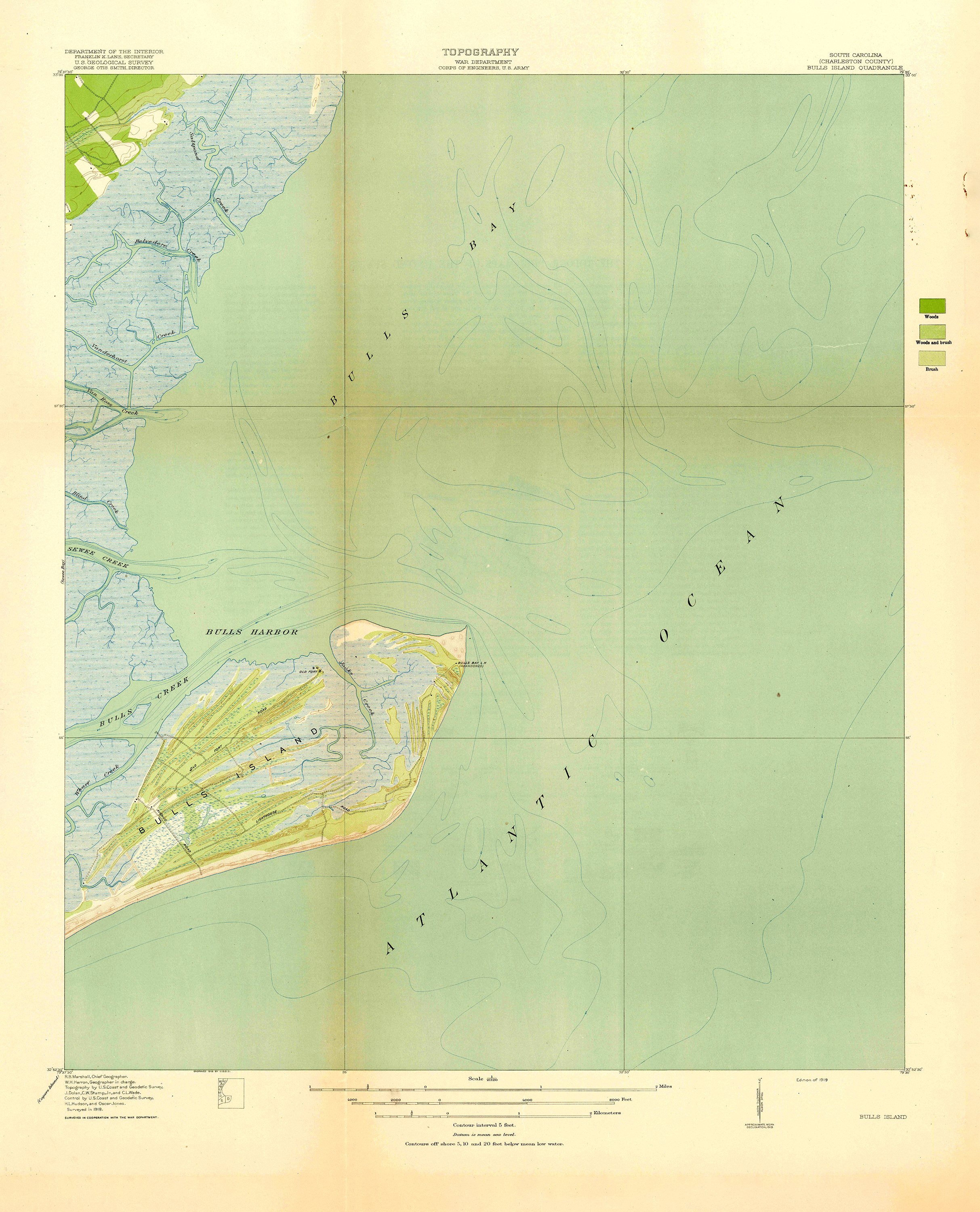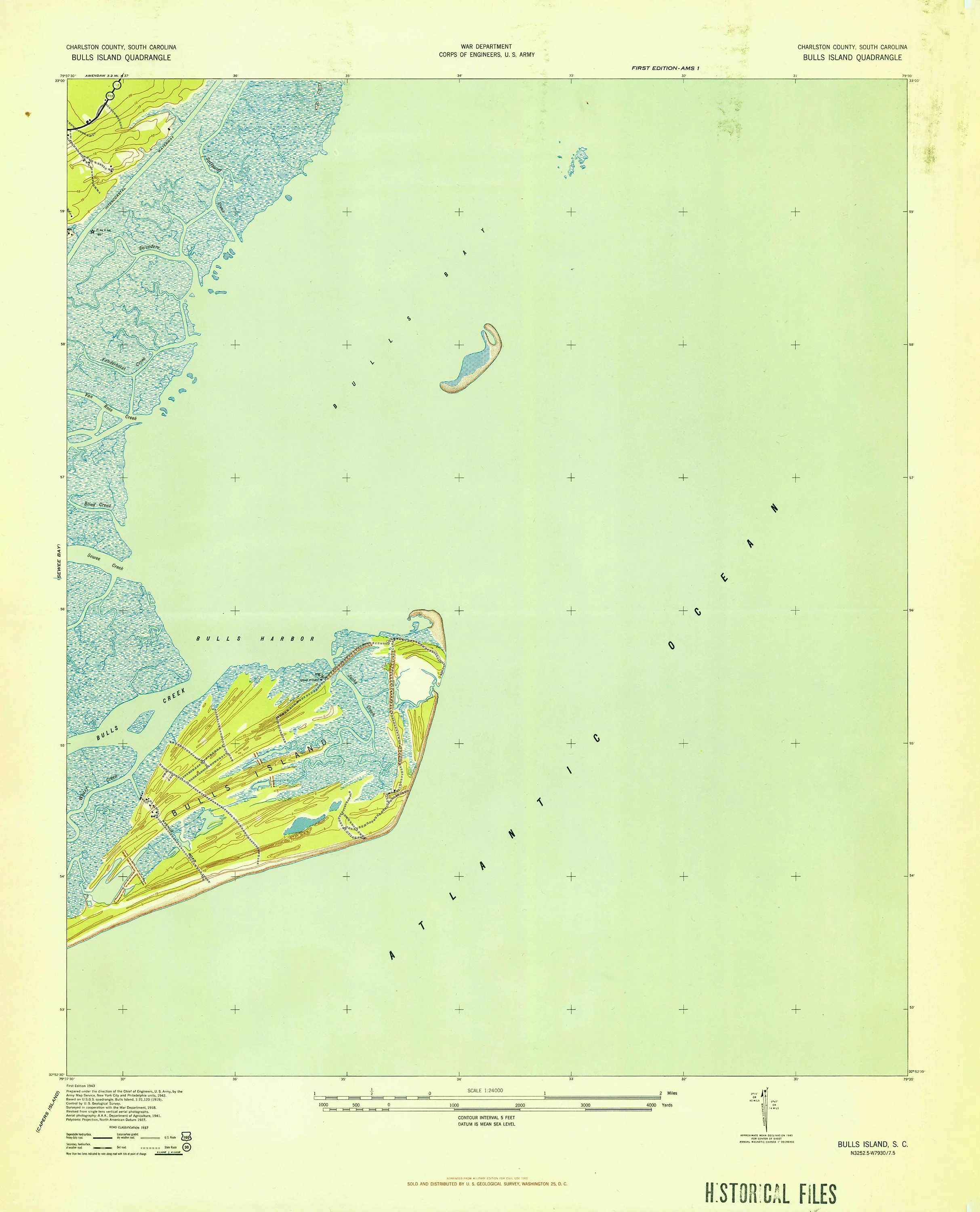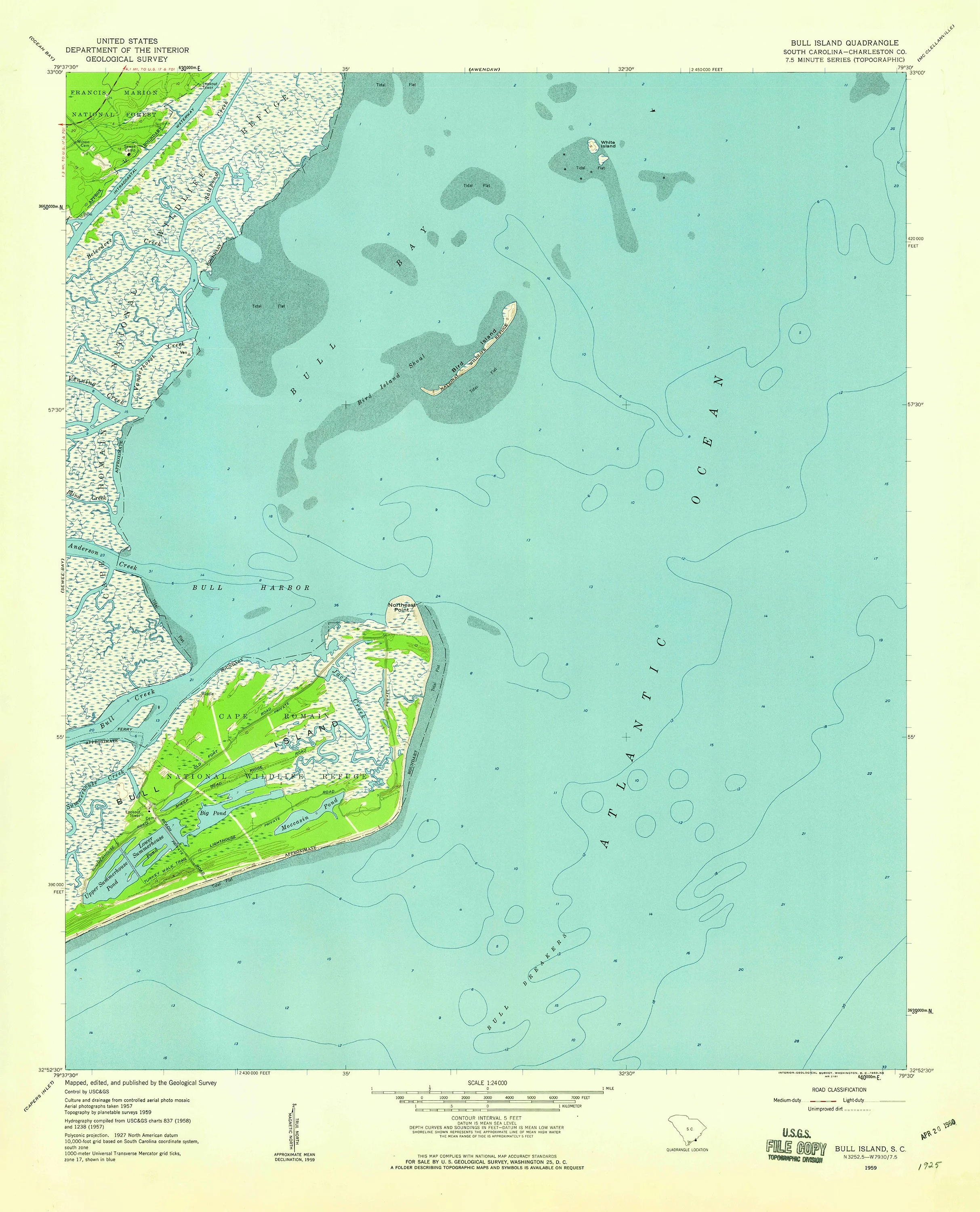
Marsh Island
Marsh Island reveals the interconnected relationship between barrier islands, marsh systems, wildlife habitat, and the human communities that depend upon healthy coastal ecosystems.
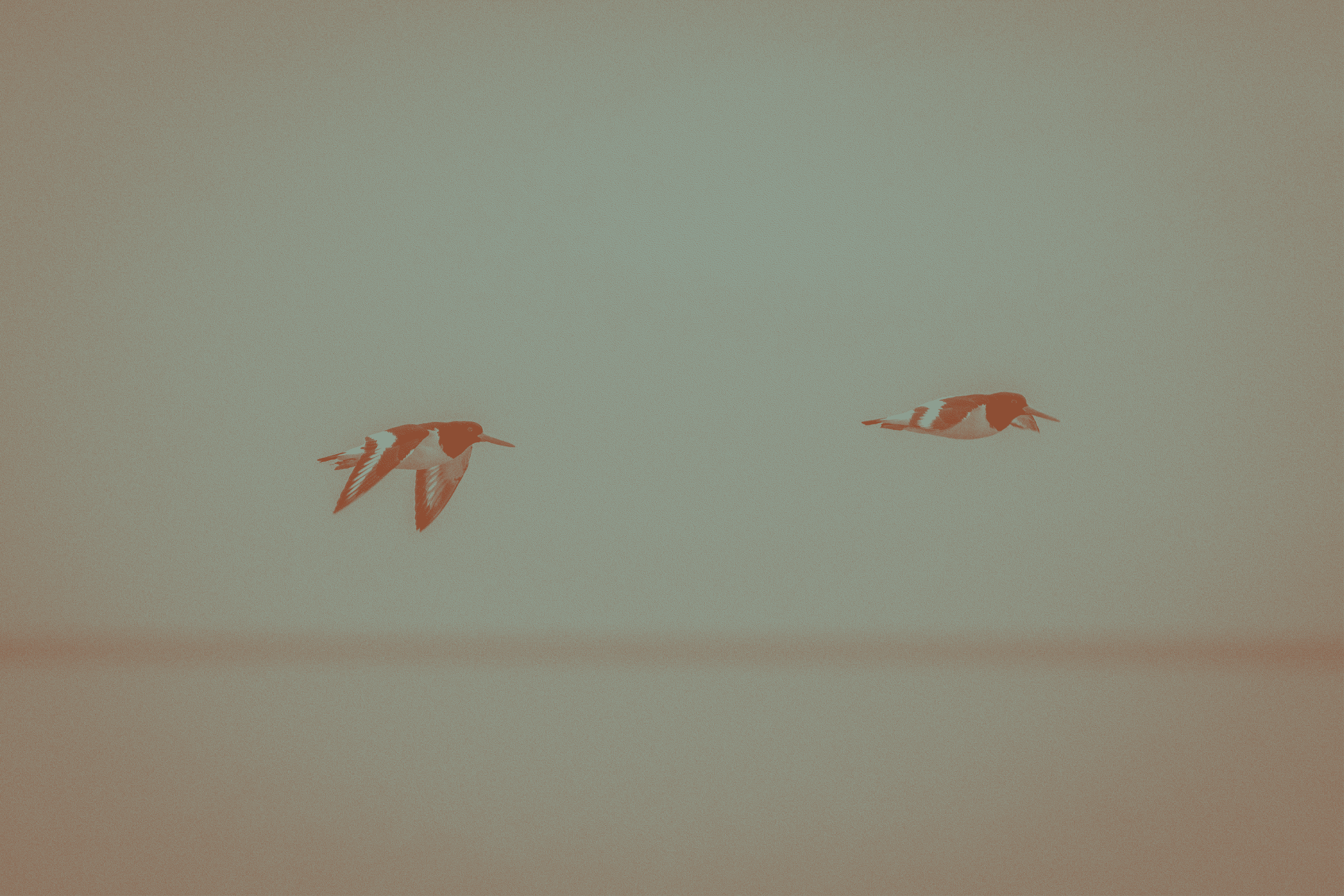
Red Knots • Royal Terns • Black Skimmers • American Oystercatchers • Gull-Billed Terns •
Red Knots • Royal Terns • Black Skimmers • American Oystercatchers • Gull-Billed Terns •
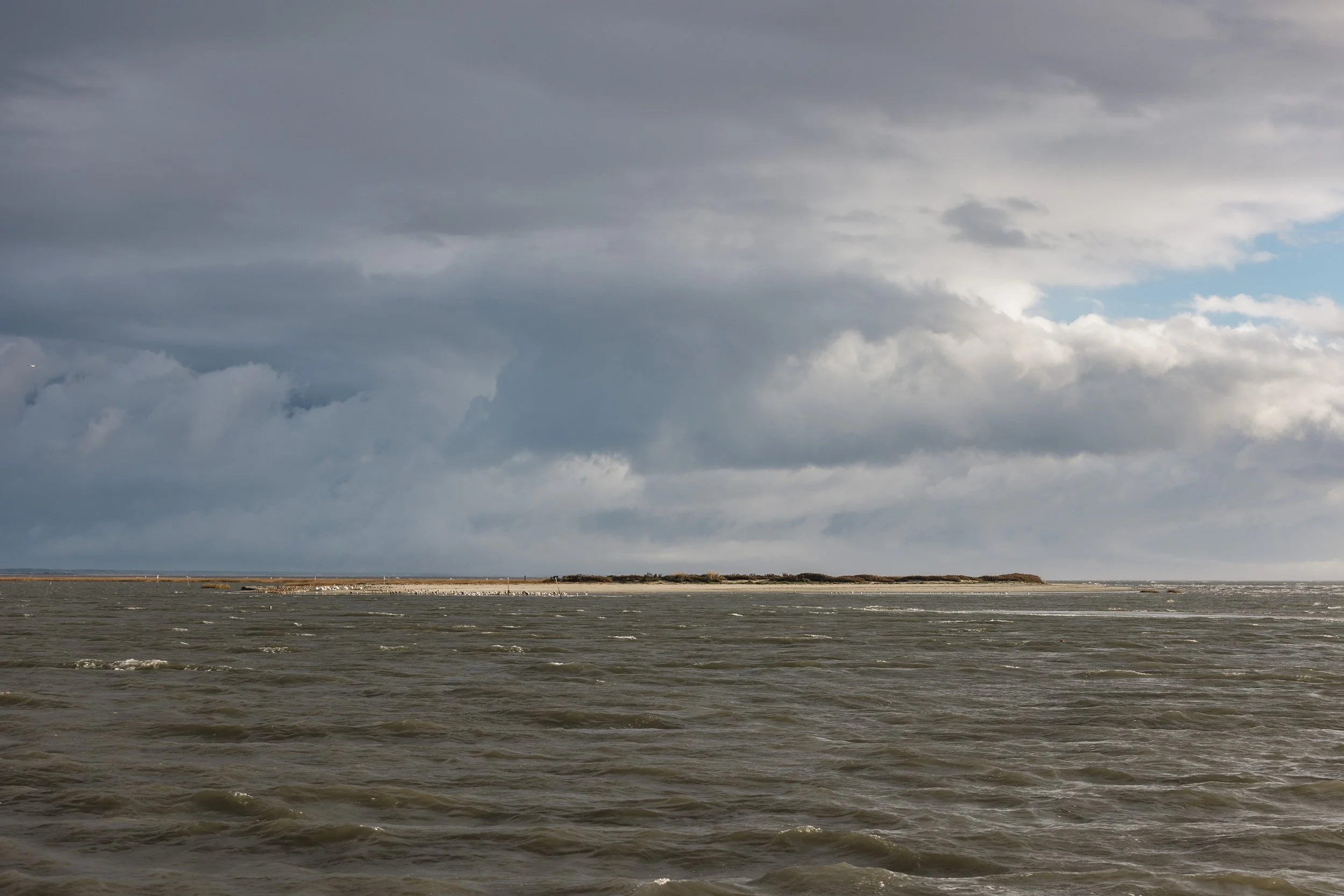
⛶ Joel Caldwell
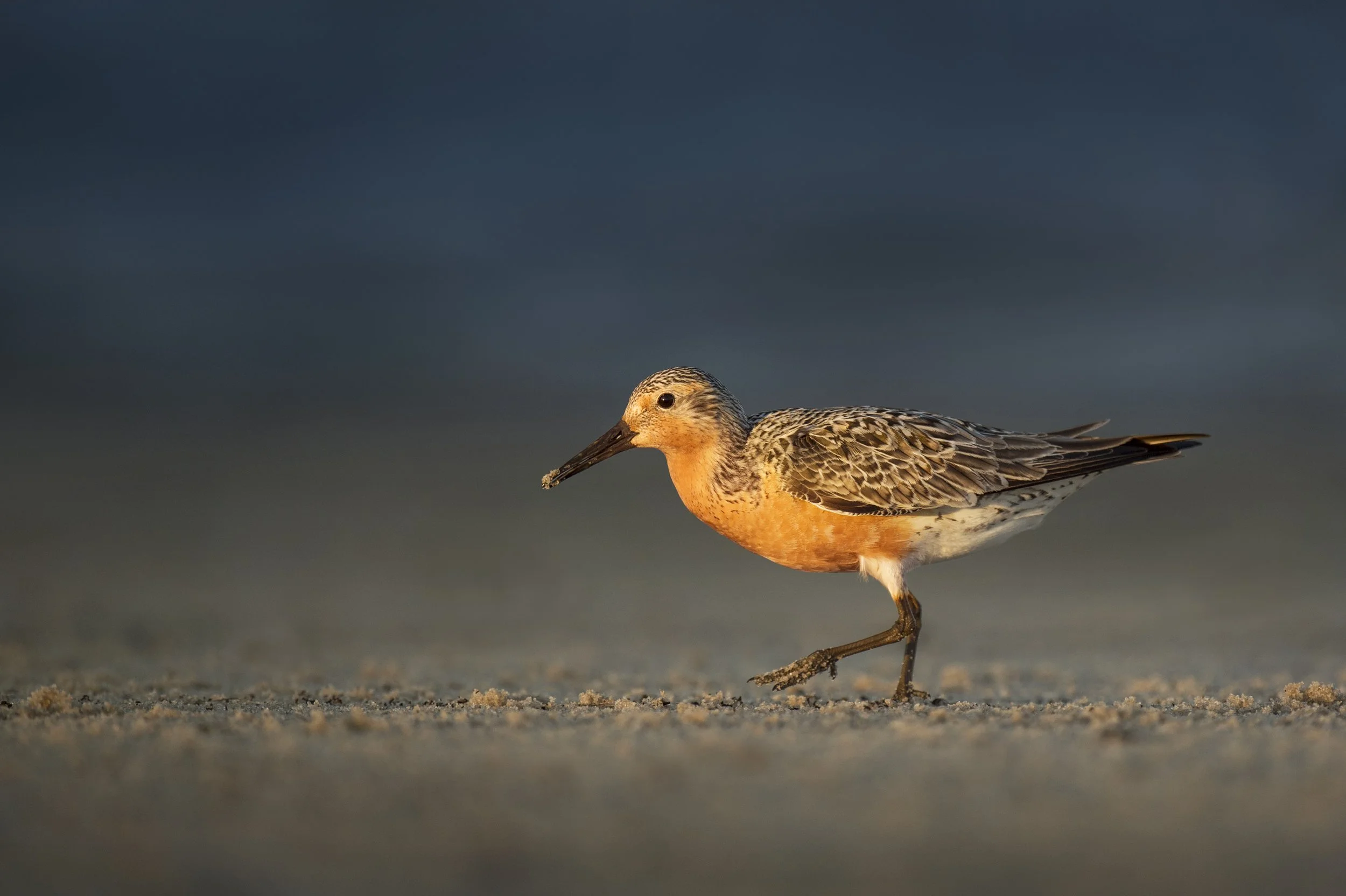
Situated within the protected estuarine landscape of Cape Romain National Wildlife Refuge, Marsh Island serves as one of Lowcountry’s treasured nesting and resting habitats for seabirds and shorebirds.
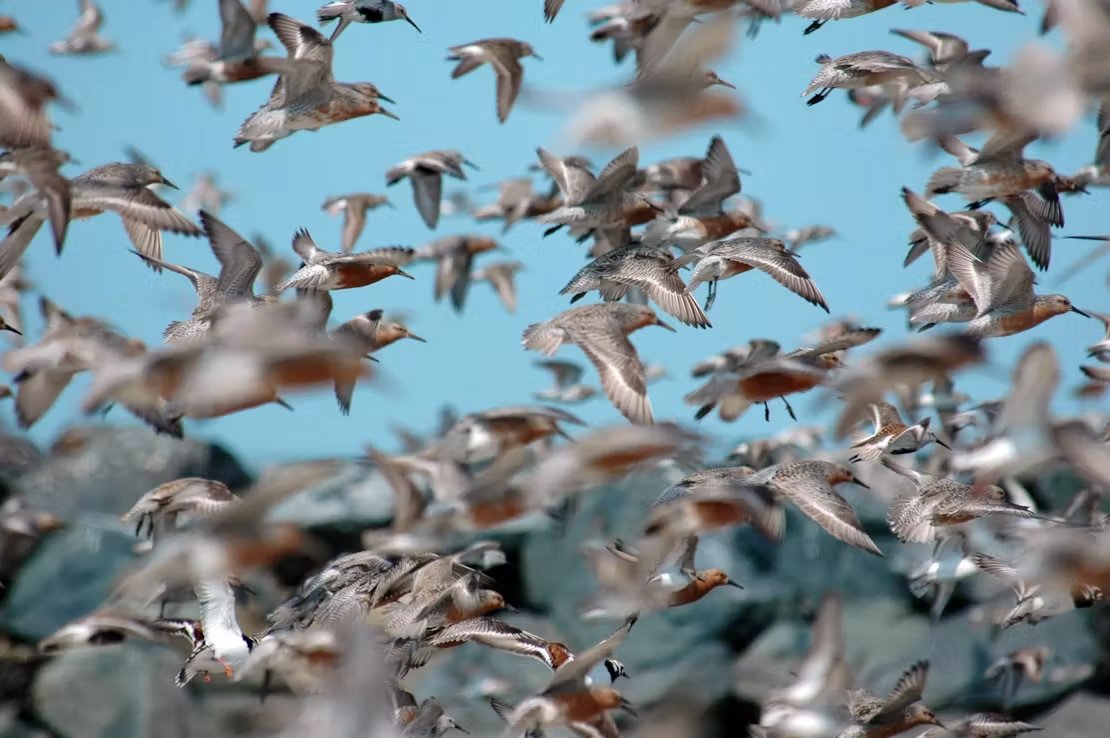
Located in the middle of the refuge’s vast network of barrier islands, tidal creeks, and salt marshes, the island supports large colonies of royal terns, black skimmers, gull-billed terns, and other migratory bird species that depend upon the refuge’s relatively undisturbed habitat. The broader Cape Romain refuge stretches across more than 66,000 acres of protected coastal ecosystems and provides habitat for over 293 bird species, making it one of the most significant bird conservation refuges on the Atlantic coast.

As part of our Bird Island Research, Marsh Island reveals the interconnected relationship between barrier islands, marsh systems, wildlife habitat, and the human communities that depend upon healthy coastal ecosystems. The island offers a powerful setting for documenting the impacts of sea-level rise, erosion, sediment movement, and potential habitat restoration within one of the Southeast’s most dynamic coastal environments. Through environmental history, photography, documentary storytelling, and interdisciplinary research, the B.I.R.D. team will connect scientific studies of Marsh Island with broader public conversations about resilience, stewardship, and conservation in the Carolina Lowcountry.
Plus how can a bunch of marsh punks like us not love an island named Marsh Island! Viva la Marsh!
𖦏 32.989828, -79.551517No dogs are allowed.
No person may enter any area of the preserve designated as a nesting area for birds.
March 15—October 15 the area is closed to all access including the intertidal zone between low and high tide waterlines.
Octber 16—March 14 access is allowed only in the intertidal zone between low and high tide waterlines.
With brown pelicans nesting again on Crab Bank Seabird Sanctuary, SCDNR will extend the closure of the eastern end of Crab Bank beyond the standard reopening date of October 15 to protect vulnerable chicks. Beginning October 16, the western end of the island (intertidal zone only) will reopen for public access, while the eastern end will remain closed through November 15th. Closure boundaries will be marked with signs and buoys, visible at any tide.
No motorized vehicles, bicycles or horses.
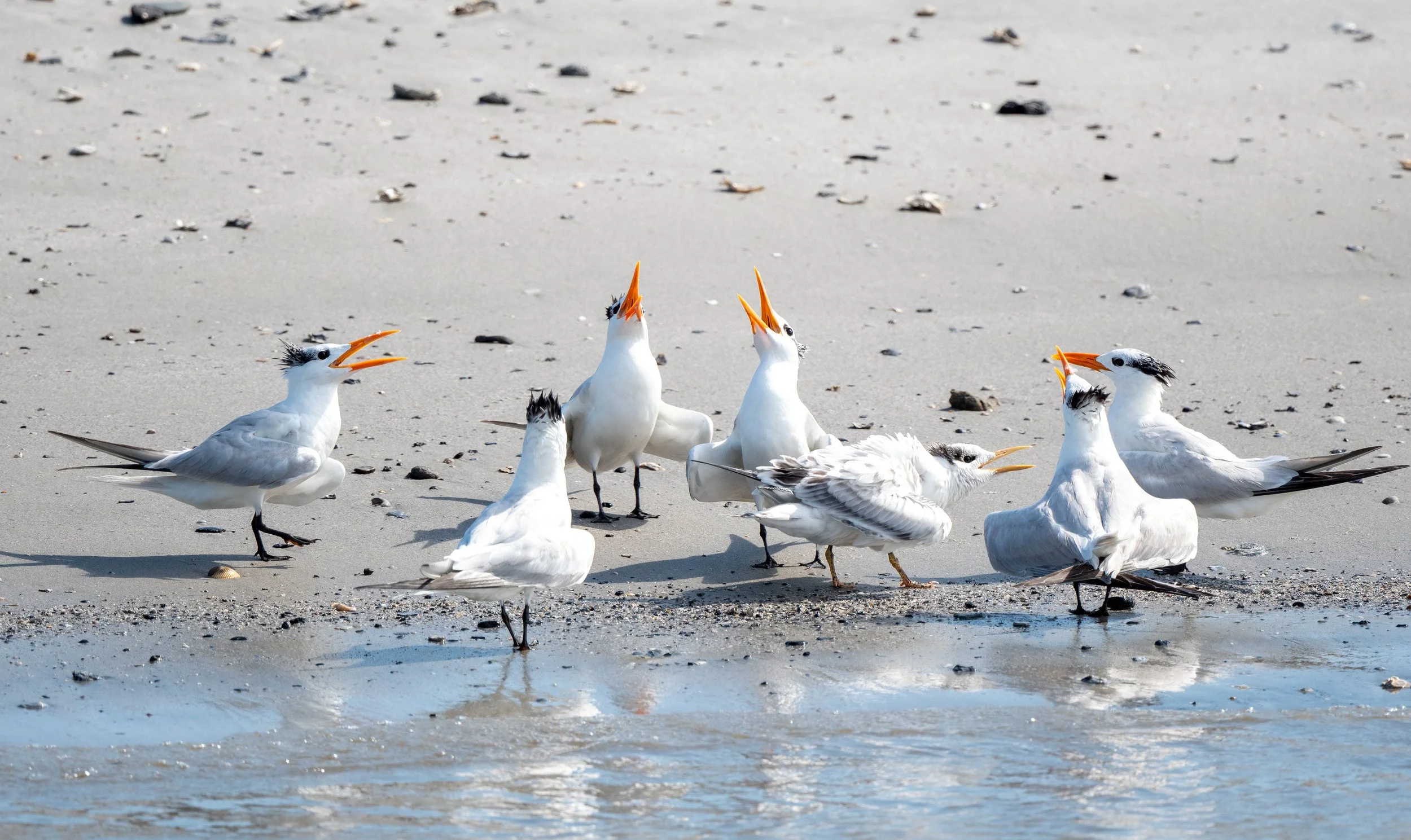
Photo by Cacky Rivers
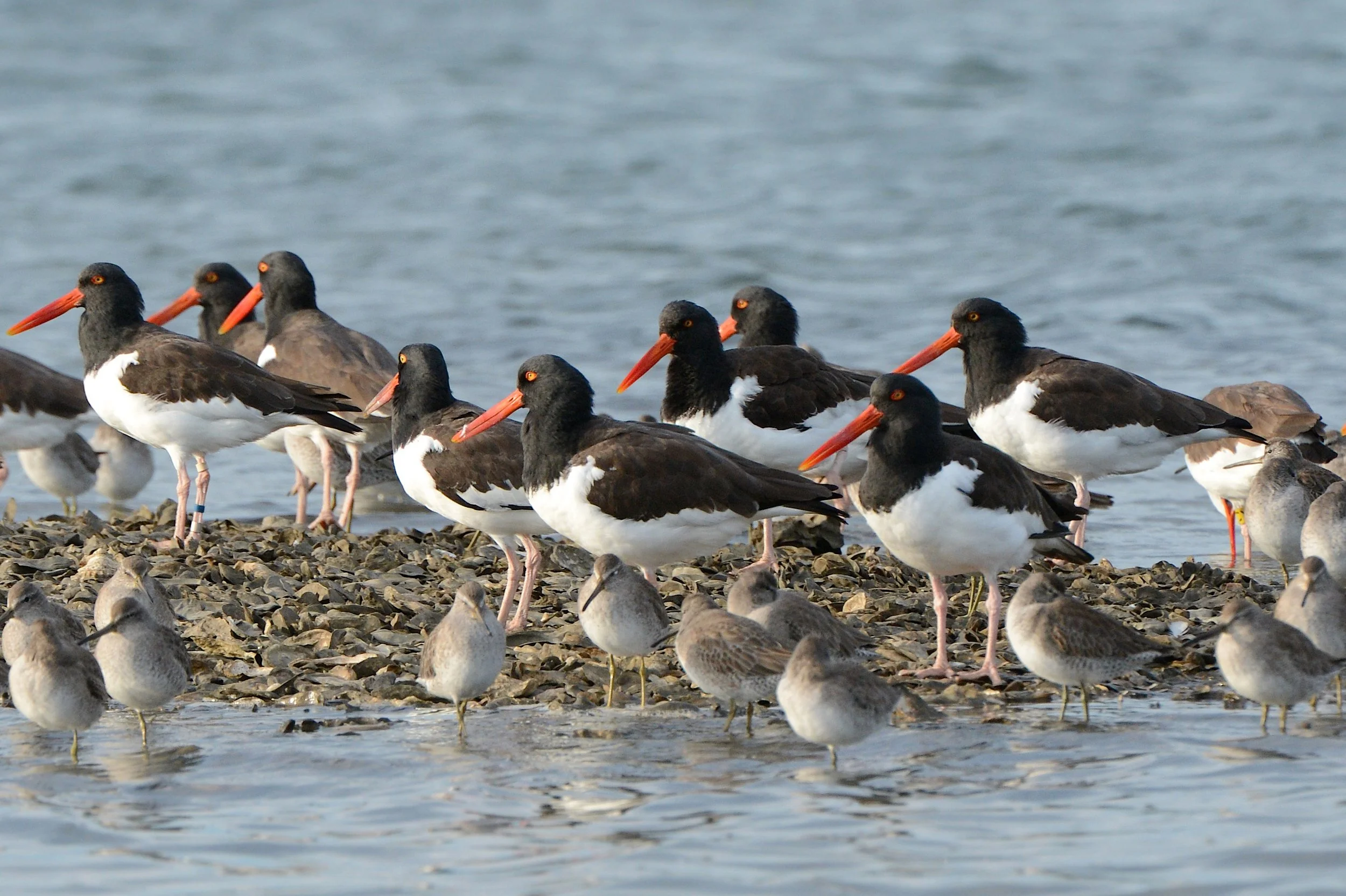
Photo by Ed Pivorun
Articles and Resources
-
A Birthday Celebrated by Wildlife Nationwide
04.26.2024 • Abigail Owen • Defenders of Wildlife
On March 14, 1903, President Theodore Roosevelt established the first National Wildlife Refuge, Pelican Island, to protect its namesake species from plume market hunters. This decision laid the foundation for what would become the National Wildlife Refuge System… -
Court order halts horseshoe crab harvesting on many SC beaches, protecting red knots
04.08.2023 • Sarah Haselhorst • The Island Packet
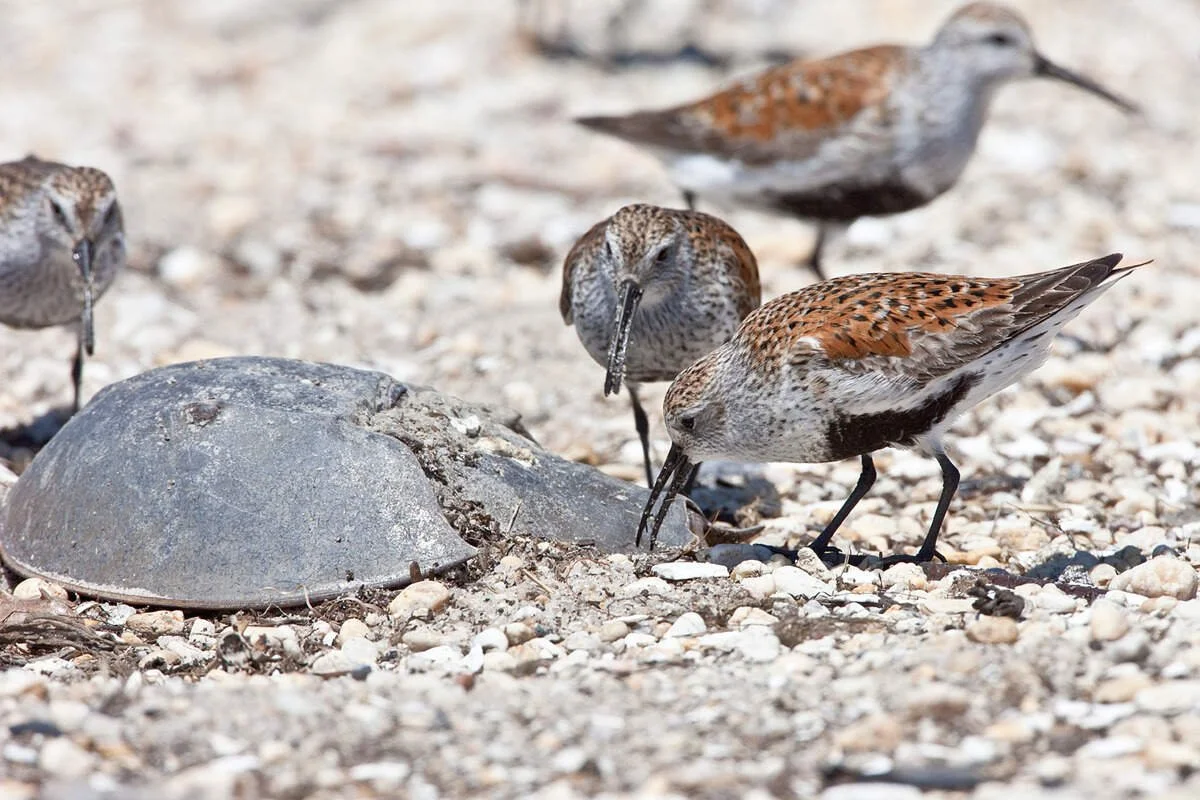
Dozens of critical habitat areas for threatened shorebirds will be protected after a U.S. District Court in Charleston handed down an order prohibiting three groups from harvesting horseshoe crabs…
-
Horseshoe crab harvesting closed on 30 SC beaches under federal agreement reached this week
04.07.2023 • Shamira McCray • Post and Courier
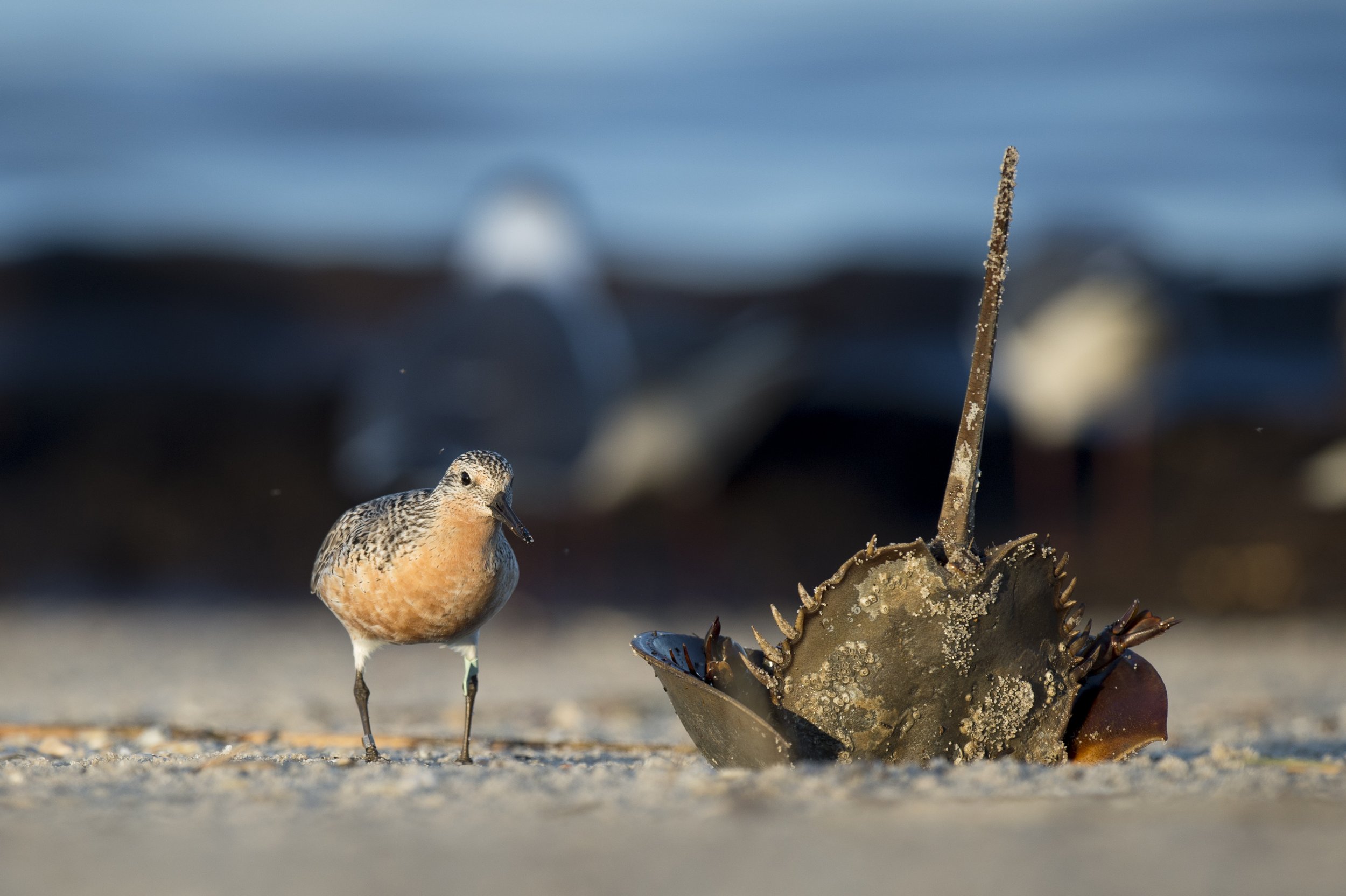
Horseshoe crab harvesting has been prohibited on nearly 30 beaches in South Carolina this spawning season…
-
Why wildlife agency wants horseshoe crab harvesting to stop in SC nature refuge
03.23.2023 • Shamira McCray • Post and Courier
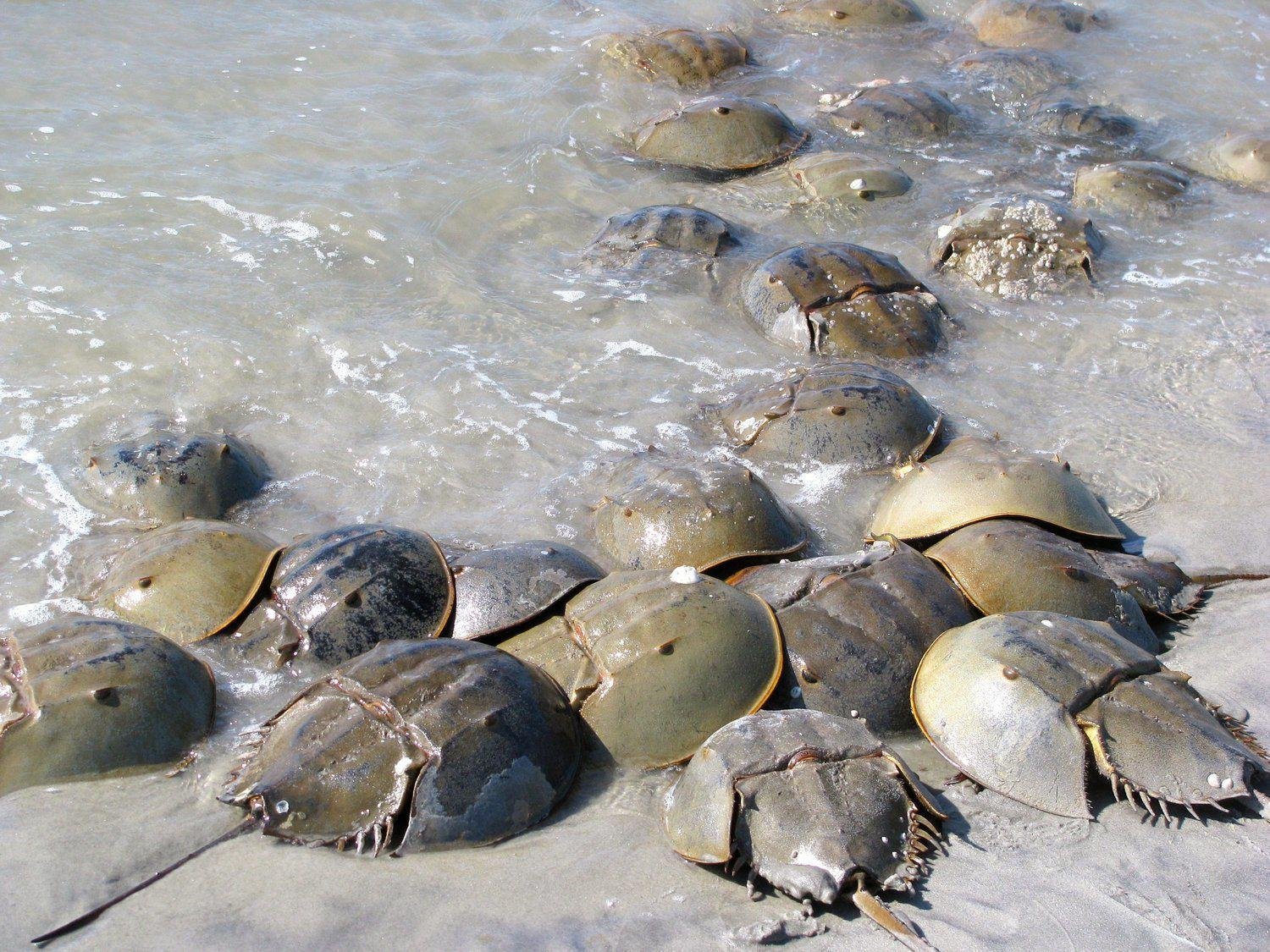
Federal wildlife officials have proposed ending horseshoe crab harvesting at Cape Romain because the practice is not compatible with the coastal refuge’s mission of protecting nature.
-
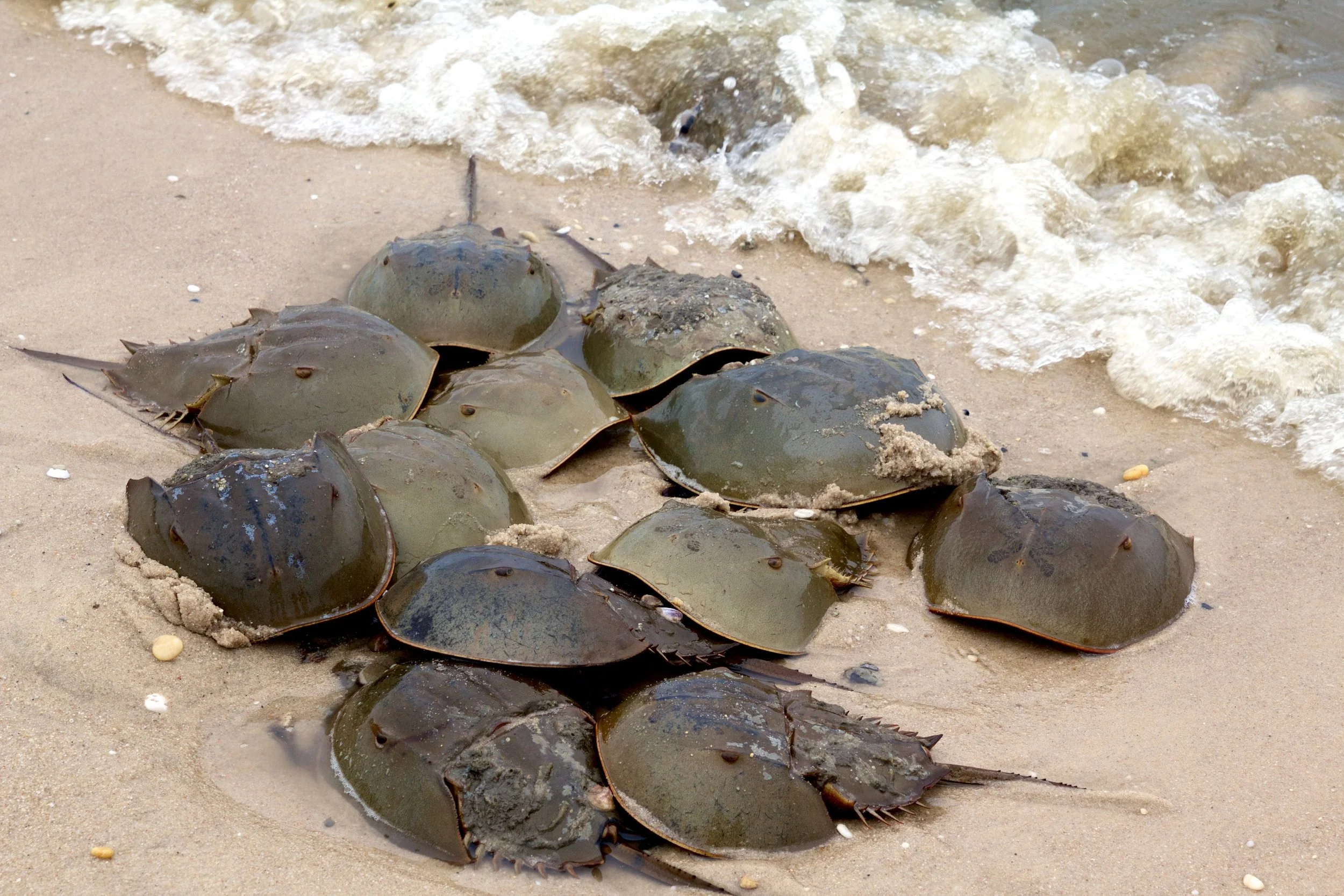
‘The refuge is closed’: Permits to be required for Cape Romain horseshoe crab harvest
08.11.2021 • Chiara Eisner • The State
For decades, the U.S. Fish and Wildlife Service has allowed fishermen working for pharmaceutical companies to harvest horseshoe crabs from the beaches and salt marshes… -
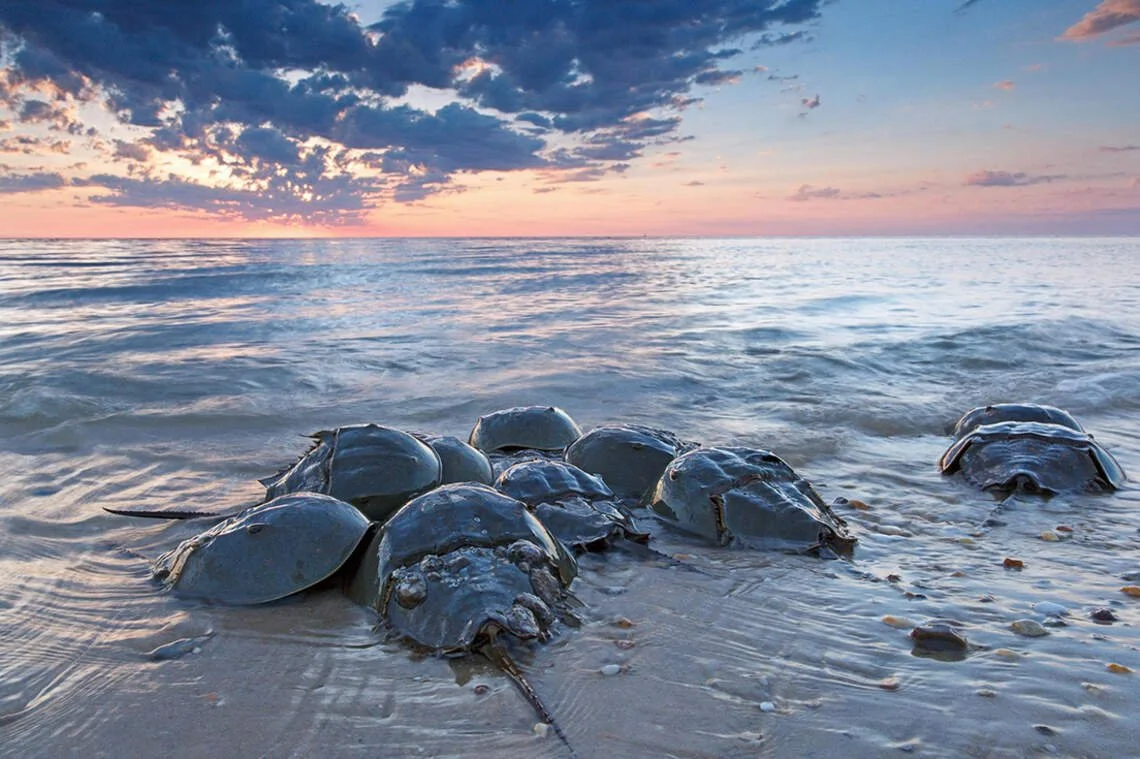
Vaccine testing is changing. Why is this $13B lab still bleeding SC horseshoe crabs?
02.11.2021 • Chiara Eisner • The State
Horseshoe crabs are at least 445 million years old and grow larger in South Carolina than almost anywhere else in America.
-
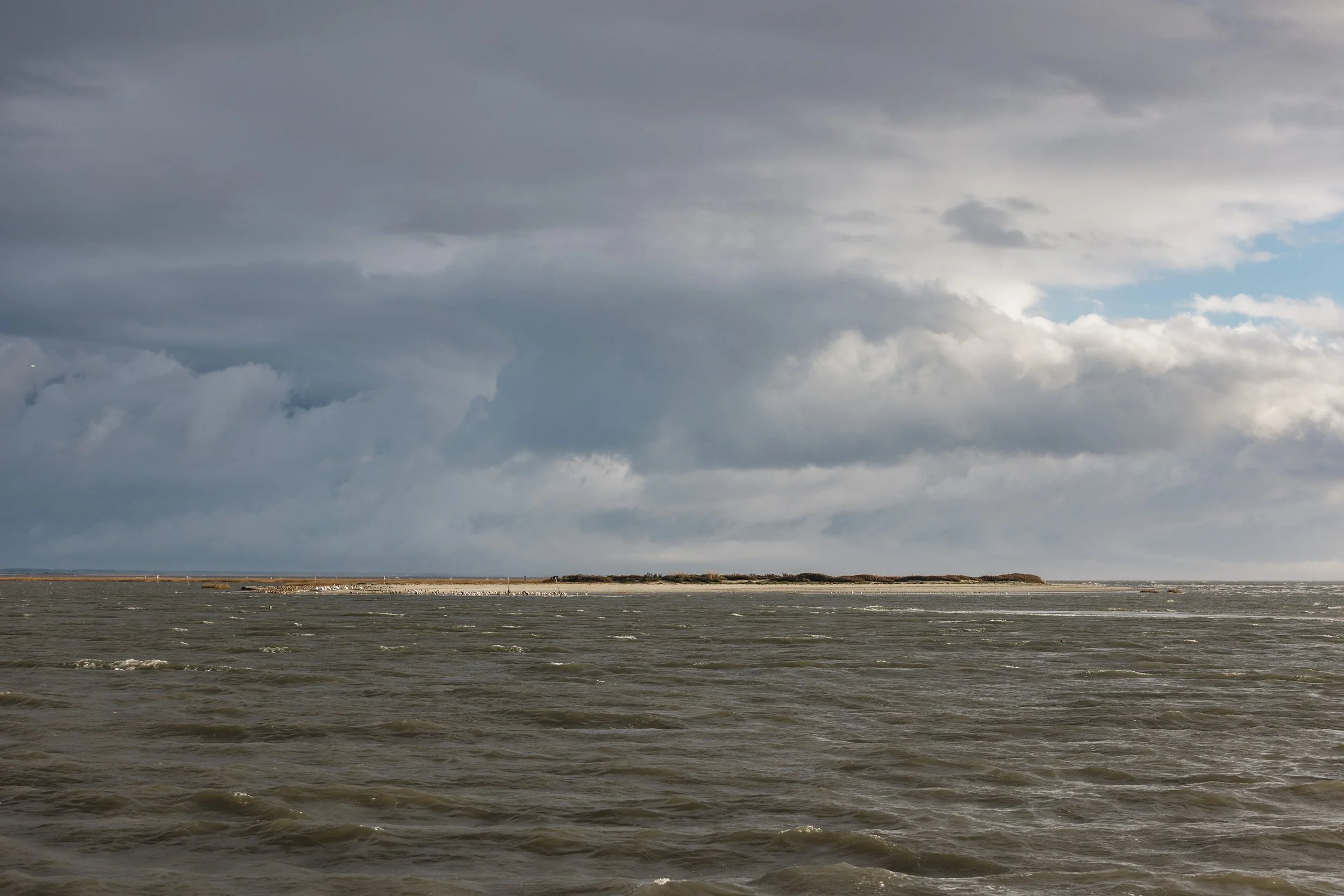
Tiny rookery islands off limits for season
02.15.2014 • Bo Petersen • Post and Courier
Marsh Island and the White Banks are mist-like specks of land in the far waters of the national wildlife refuge here. All told, they are no bigger than the sliver of Crab Bank in Charleston Harbor....