
Crab Bank
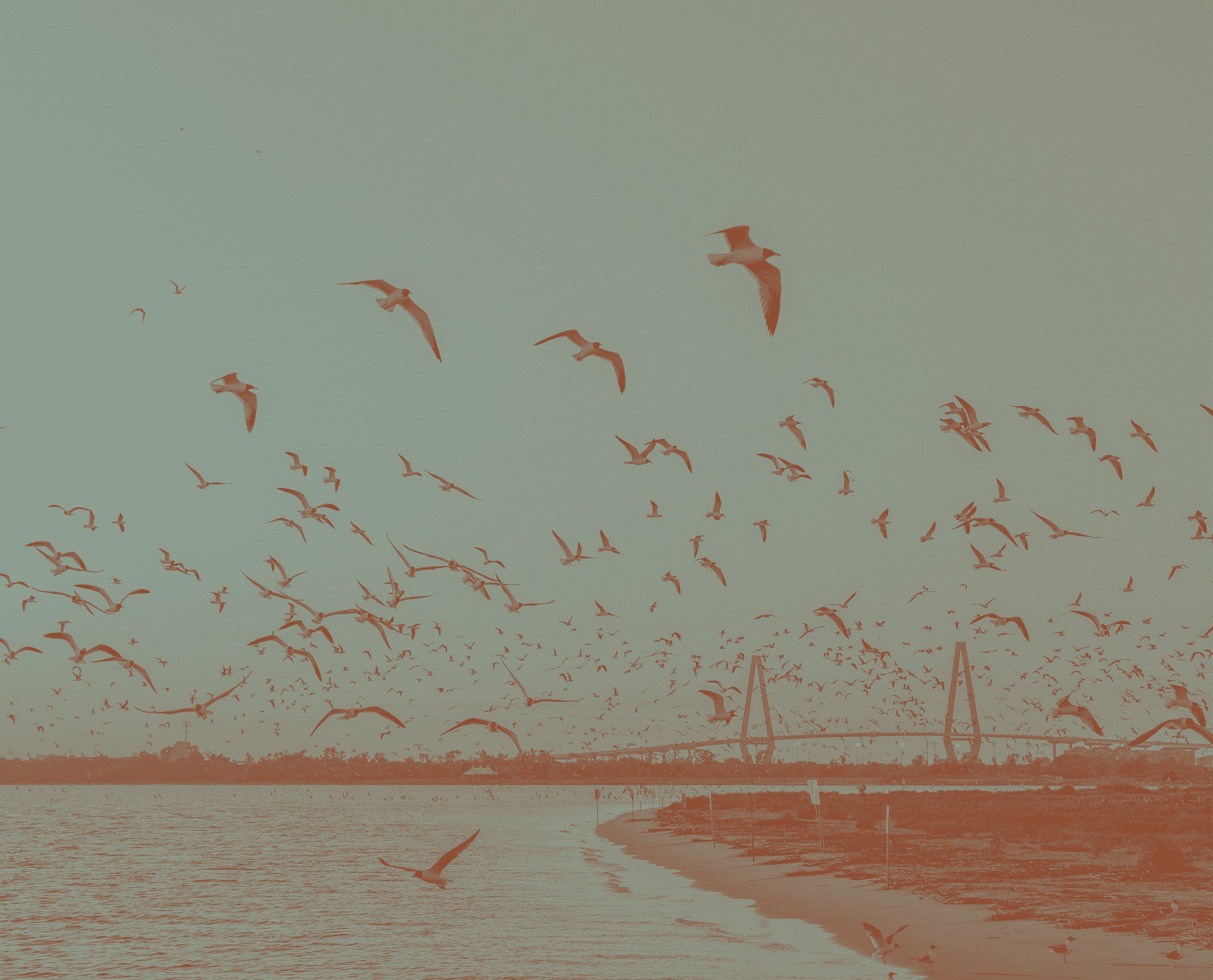
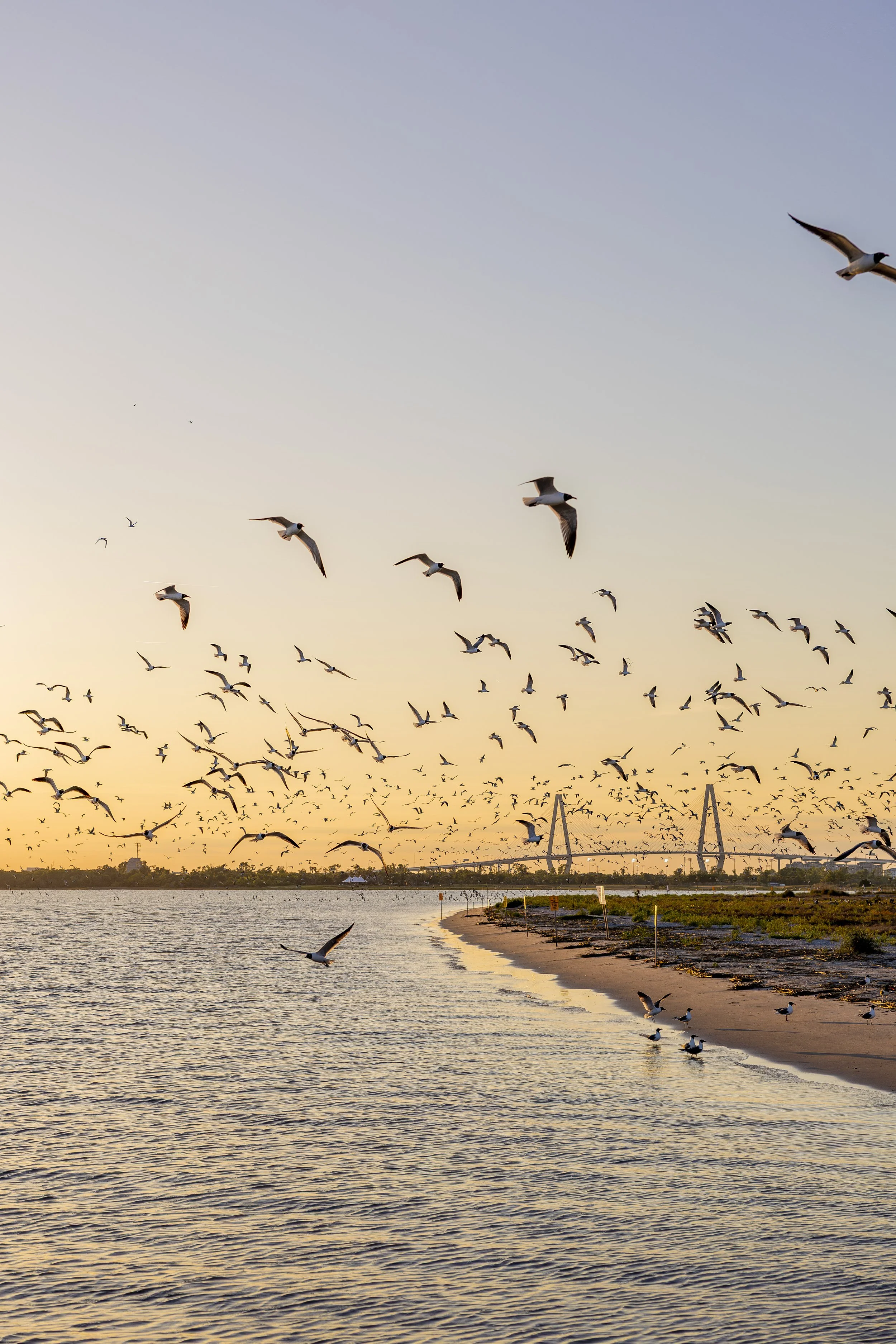
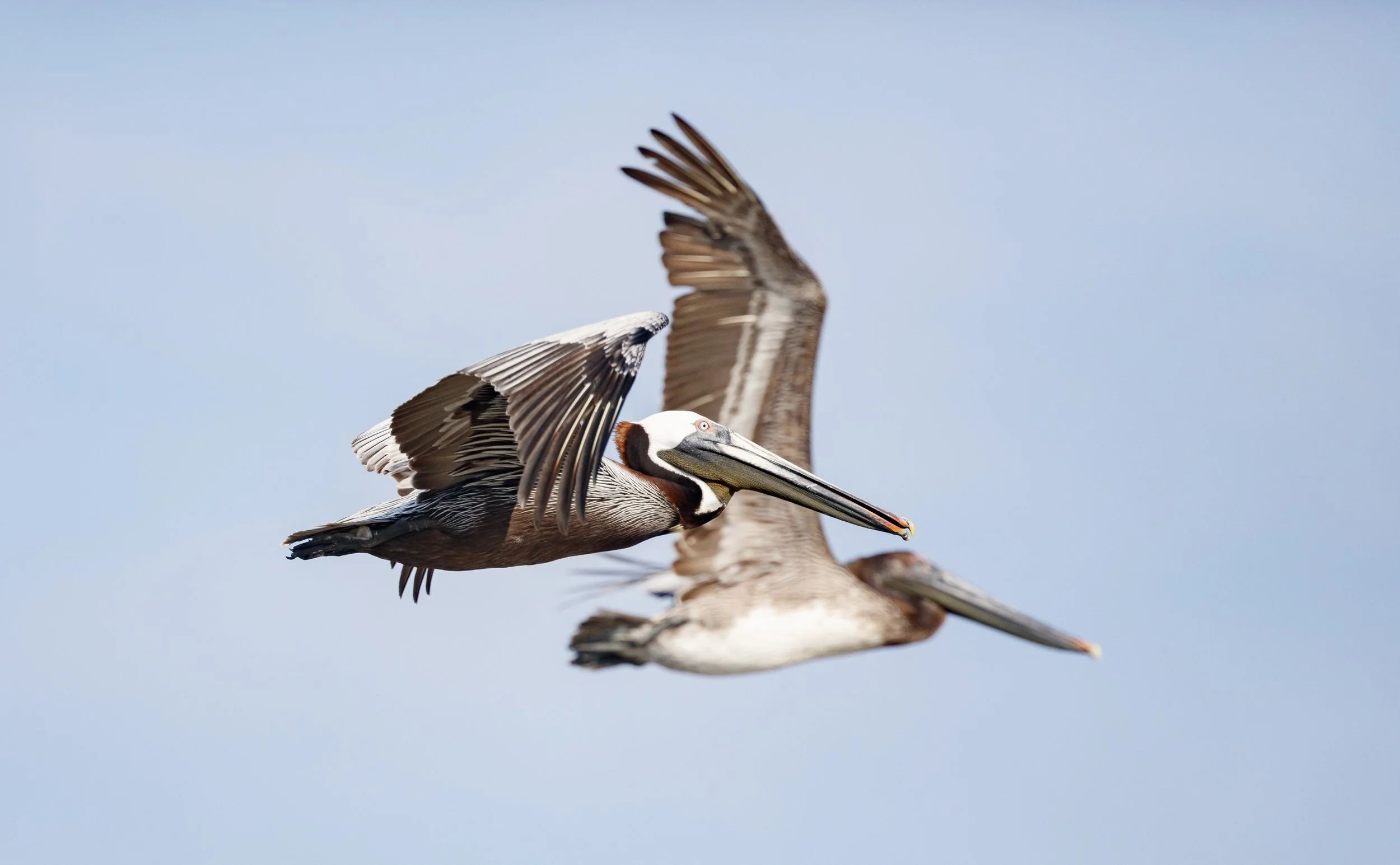
Crab Bank is one of South Carolina’s most iconic seabird sanctuaries and an important symbol of coastal restoration, resilience and community coming together.
Brown Pelicans • Least Terns • Royal Terns • Black Skimmers • Gull-Billed Terns • Sandwich Terns • Common Terns • Laughing Gulls • Wilson's Plovers • American Oystercatchers • Willet • Great Egrets • Snowy Egrets • Tricolored Herons • Ibis •
Brown Pelicans • Least Terns • Royal Terns • Black Skimmers • Gull-Billed Terns • Sandwich Terns • Common Terns • Laughing Gulls • Wilson's Plovers • American Oystercatchers • Willet • Great Egrets • Snowy Egrets • Tricolored Herons • Ibis •
⛶ Mary Kathleen
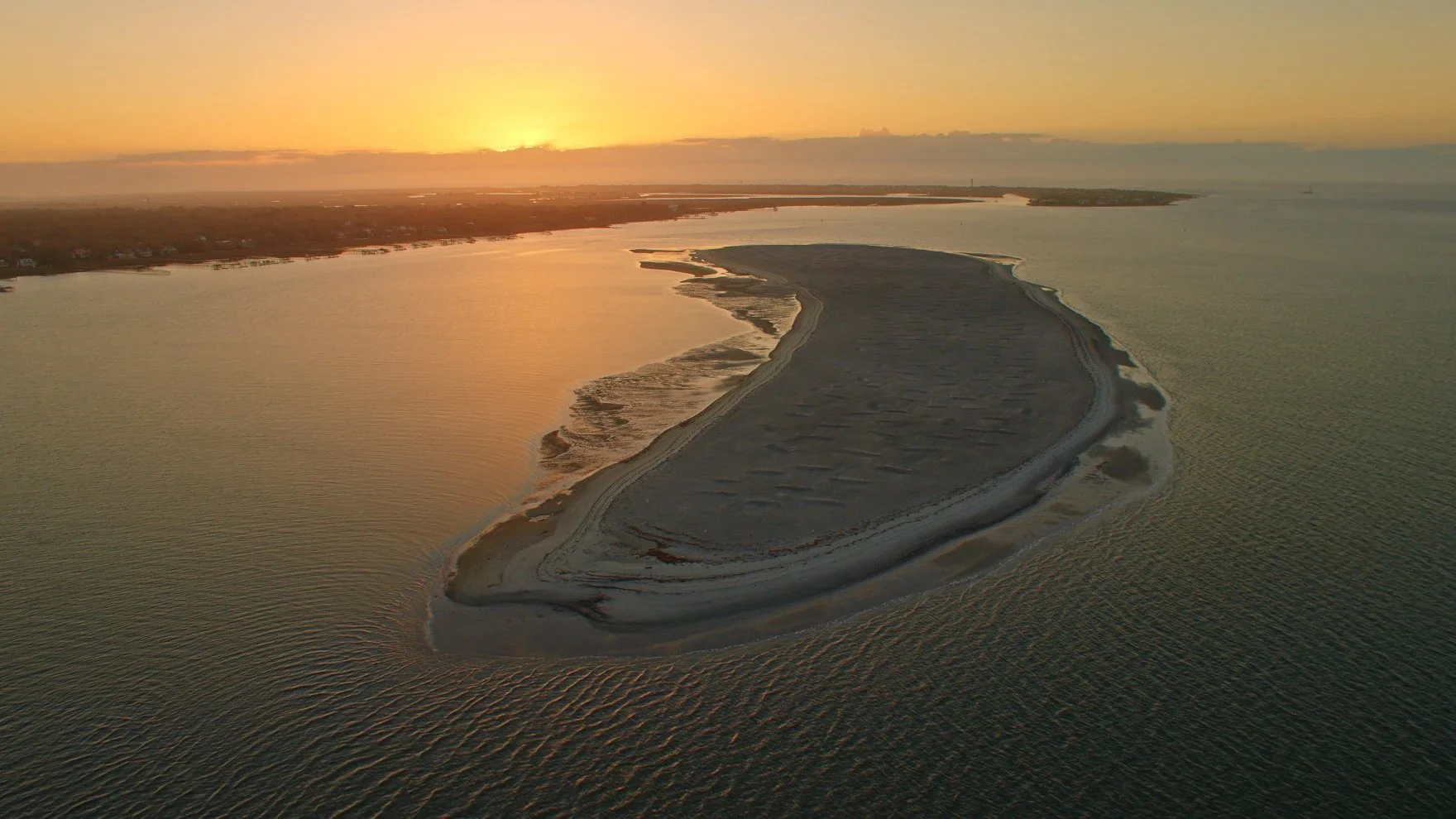
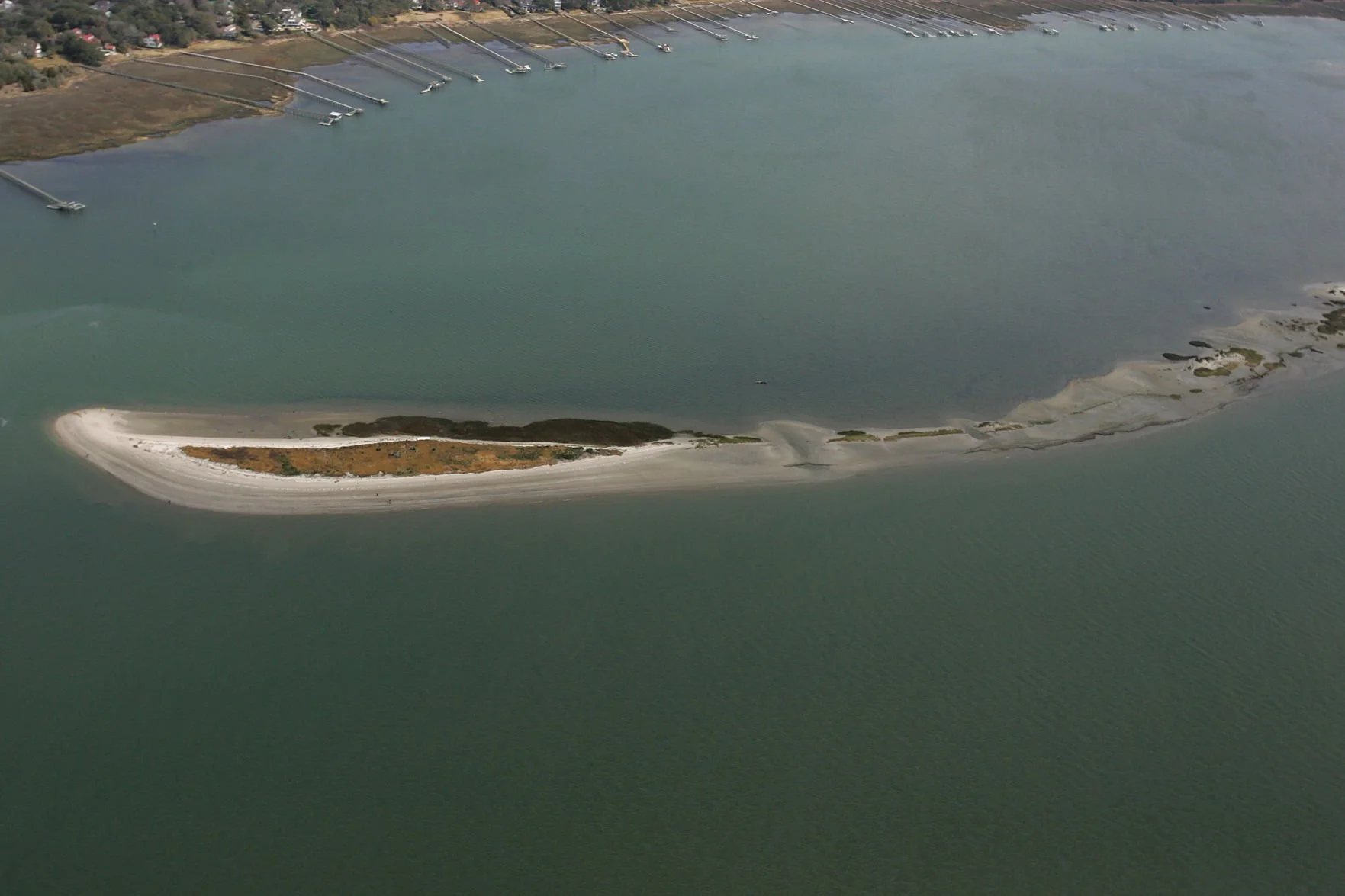
Situated at the mouth of Shem Creek in Charleston Harbor, Crab Bank is one of South Carolina’s most iconic seabird sanctuaries and an important symbol of coastal restoration and resilience.
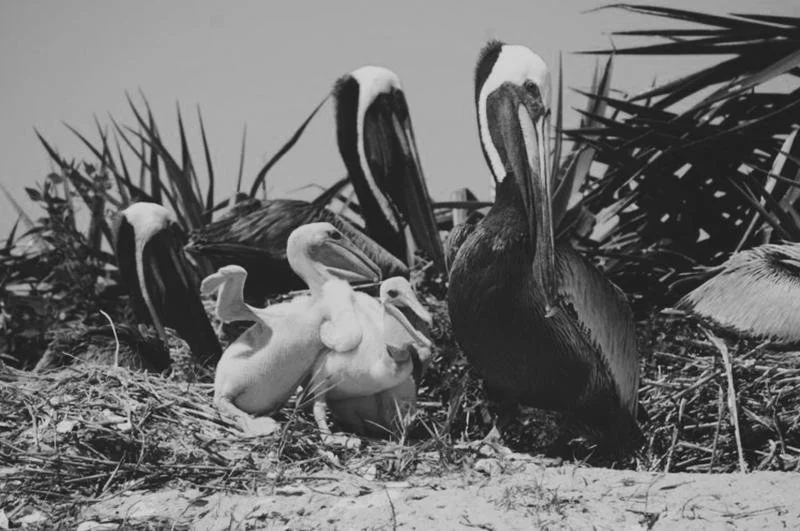
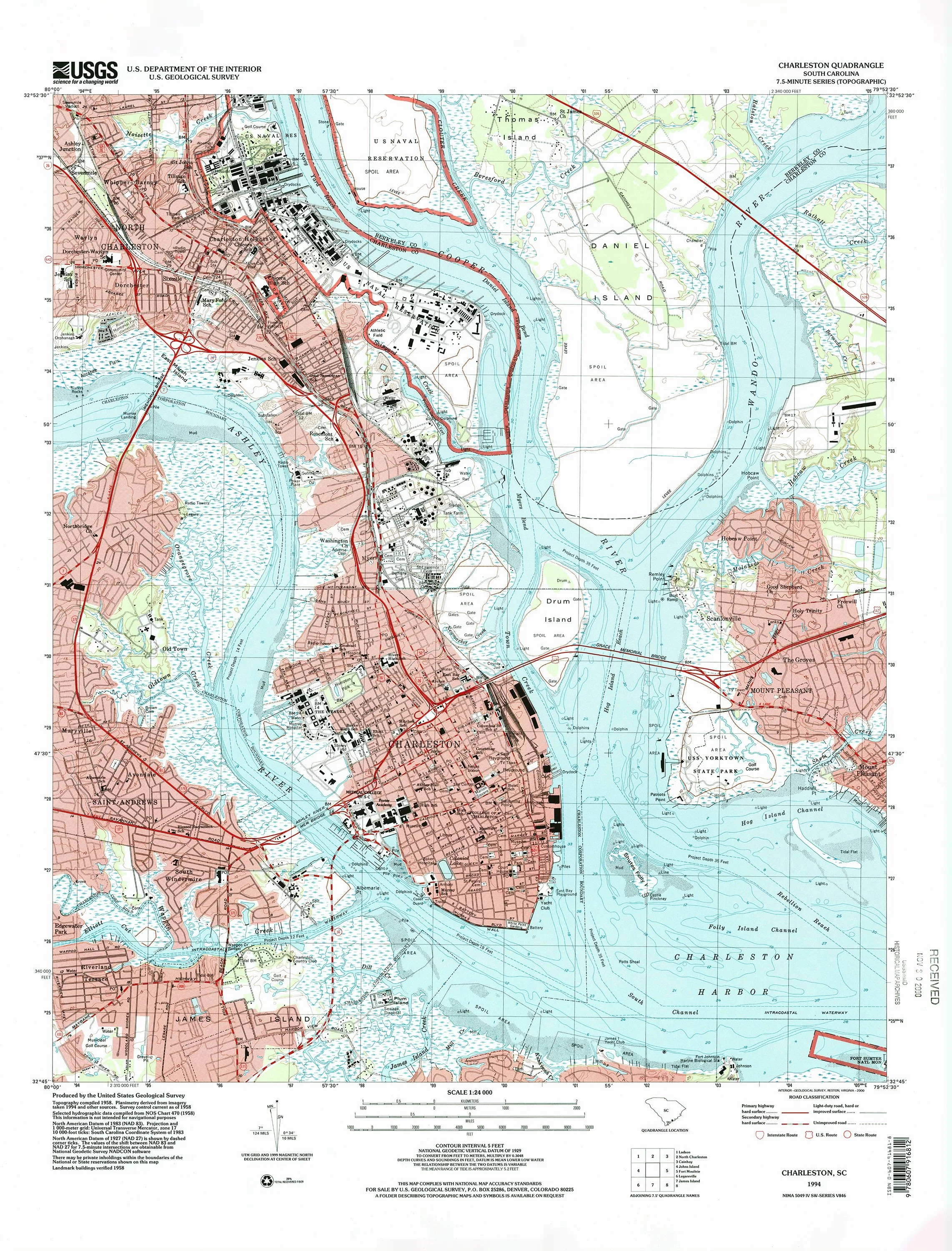
Originally formed with dredge back in the 1950s and 60s, nesting was first documented on Crab Bank in 1979. Managed by the wonders of SCDNR, the sanctuary provides nesting and foraging habitat for a wide range of seabirds and shorebirds, particularly brown pelicans, black skimmers, terns, and migratory coastal species. Like many barrier and spoil islands along the South Carolina coast, Crab Bank has undergone dramatic physical changes over time due to erosion, sea-level rise, storms, and harbor activity.Crab Bank, in many ways, represents both ecological vulnerability and the potentials of collaborative restoration.
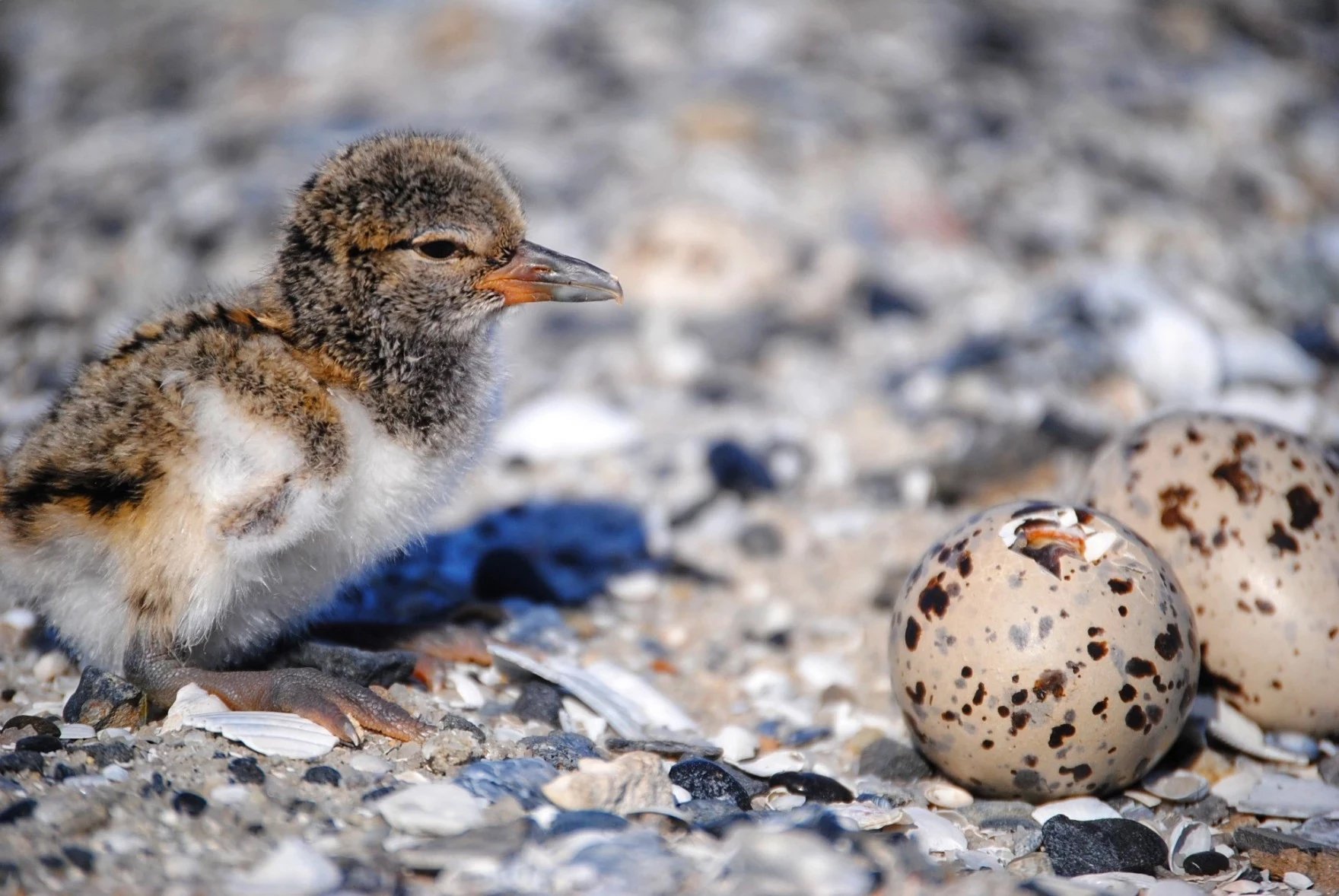
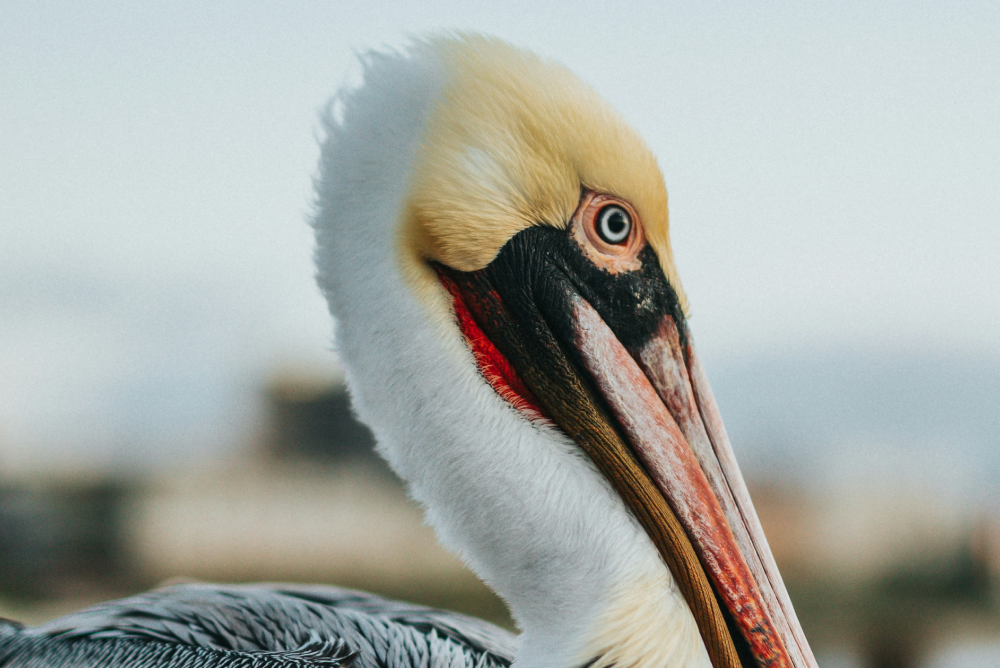
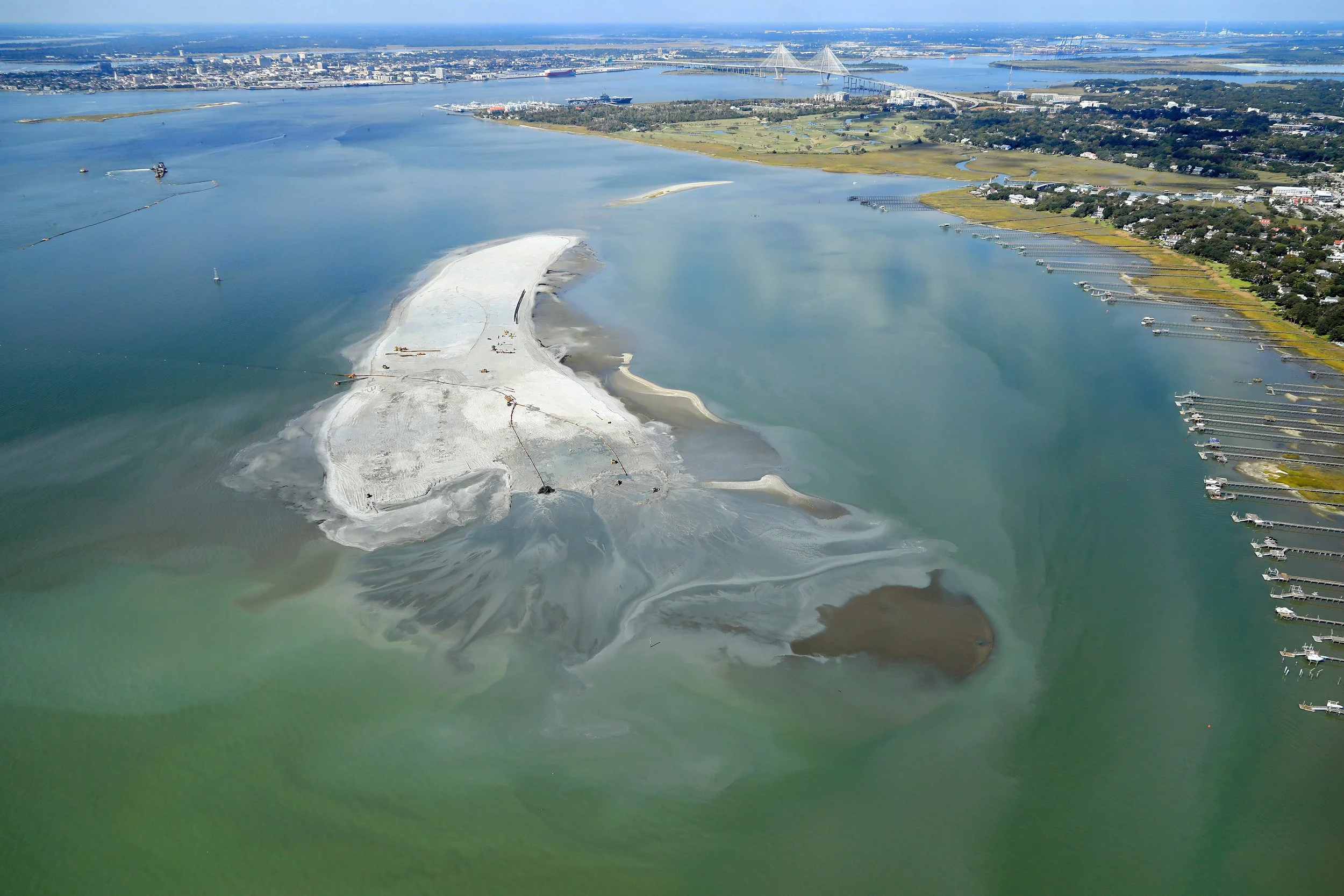
In 2017, Hurricane Irma eroded much of Crab Bank, but a coalition of environmental organizations came together to restore the island, including Coastal Conservation League, Coastal Expeditions Foundation, SC Audubon, and SC DNR. Approximately 660,000 cubic yards of material from the Charleston Harbor Deepening was used to restore nearly 32 acres of the island in 2021. Nesting pelicans, skimmers, and terns have returned to the island in the thousands! As part of our Bird Island Research, we will document Crab Bank’s evolving environmental history through storytelling, interviews, photography, and data visualization, connecting the island’s restoration story to broader questions of climate resilience, conservation, and community responsibility. Crab Bank proves that island building is possible for both coastal resilience and biodiversity!𖦏 32.778670, -79.884556No dogs are allowed.
No person may enter any area of the preserve designated as a nesting area for birds.
March 15—October 15 the area is closed to all access including the intertidal zone between low and high tide waterlines.
Octber 16—March 14 access is allowed only in the intertidal zone between low and high tide waterlines.
With brown pelicans nesting again on Crab Bank Seabird Sanctuary, SCDNR will extend the closure of the eastern end of Crab Bank beyond the standard reopening date of October 15 to protect vulnerable chicks. Beginning October 16, the western end of the island (intertidal zone only) will reopen for public access, while the eastern end will remain closed through November 15th. Closure boundaries will be marked with signs and buoys, visible at any tide.
No motorized vehicles, bicycles or horses.
Articles and Resources
-
New rules for people visiting a Charleston island built for birds
10.23.2025 • Victoria Hansen • South Carolina Public Radio
The Department of Natural Resources is cracking down on people who visit Crab Bank, a seabird sanctuary in the Charleston Harbor… -
Brown Pelicans return to Charleston Harbor nesting site
10.13.2025 • Jonah Chester • Post and Courier
Brown Pelicans are once again nesting on the Crab Bank Seabird Sanctuary after a yearslong absence…
-
SCDNR extends partial closure of Crab Bank to protect brown pelican chicks
10.08.2025 • Sophie Brams • WCBD2
Brown Pelicans are once again nesting on the Crab Bank Seabird Sanctuary after a yearslong absence… -
Crab Bank is back as a beacon for saving seabirds
06.06.2023 • Victoria Hansen • South Carolina Public Radio
Janet Thibault deliberately walks where people are not allowed, a sandy, shade less island in the Charleston Harbor covered with tiny toe tracks… -
One Good Turn Deserves Another
01.03.2022 • Gabriella Sotelo • Audubon
Crab Bank, an island in Charleston Harbor, South Carolina, has been a critical nesting spot and refuge for birds for decades… -
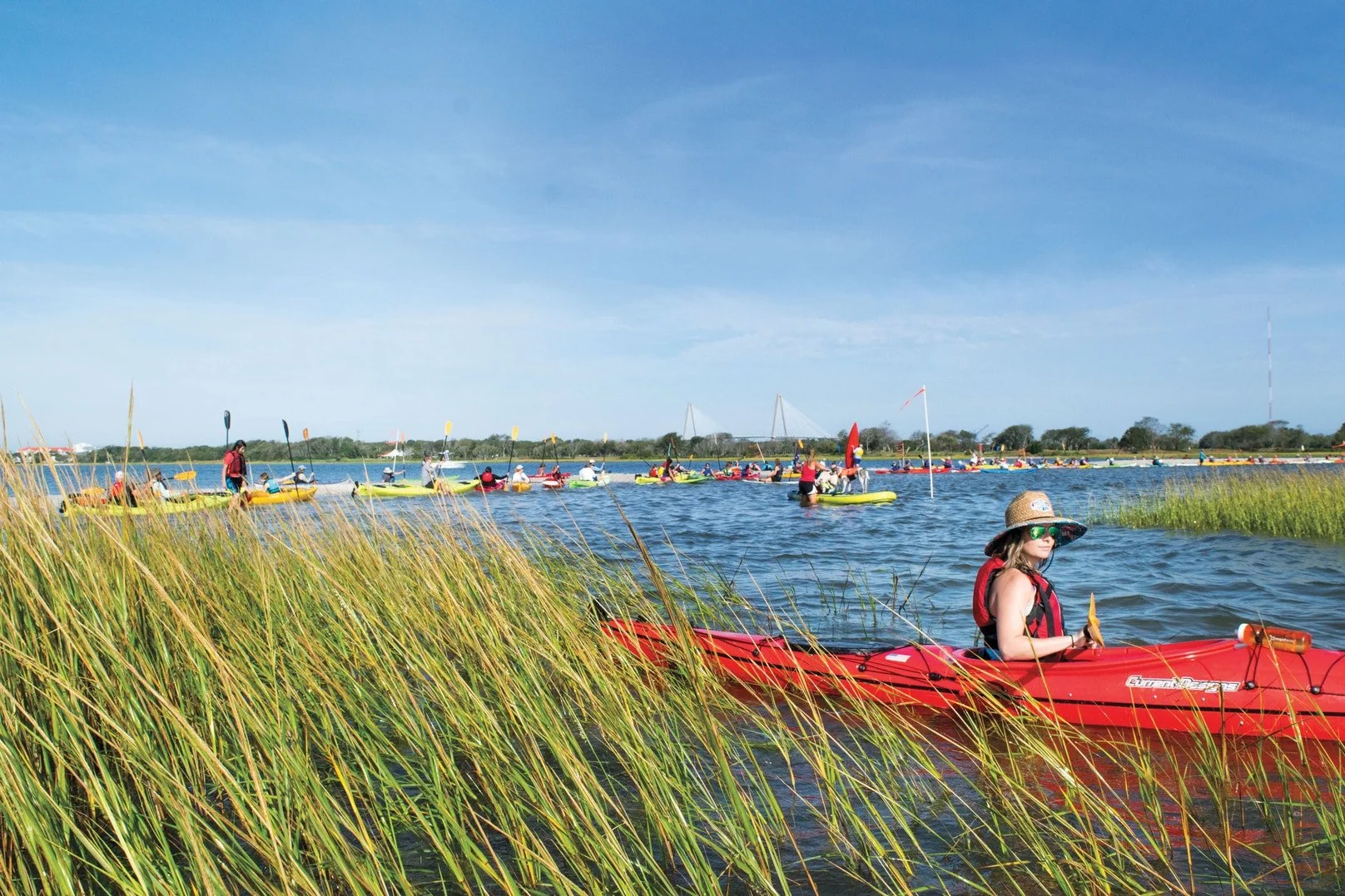
Conservation Groups Paddle to Victory for a Disappearing Nesting Site
04.19.2019 • Emily Williams • National Audubon Society
Kayaking up to the receding shore of Crab Bank, a once-thriving seabird sanctuary in Charleston Harbor, Nolan Schillerstrom spotted a lone Brown Pelican perched on the sand. -
Opinion: Save Crab Bank before it’s too late
10.22.2016 • Nathan Dias • Post and Courier
Having been involved in developing a plan for beneficial uses of dredged material from the Charleston Harbor deepening project, I was dismayed to read the recent Post and Courier article that stated the effort was in jeopardy…
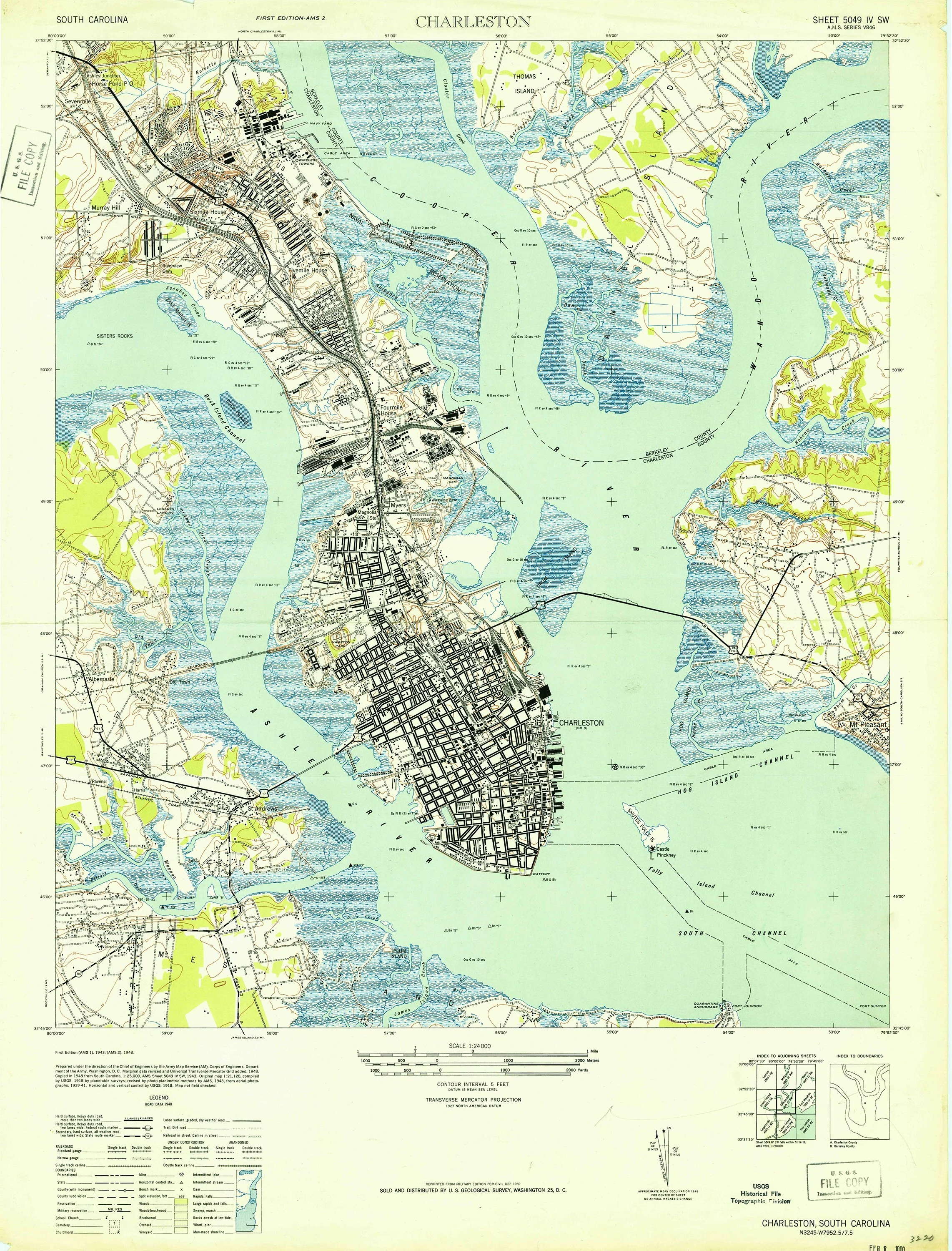
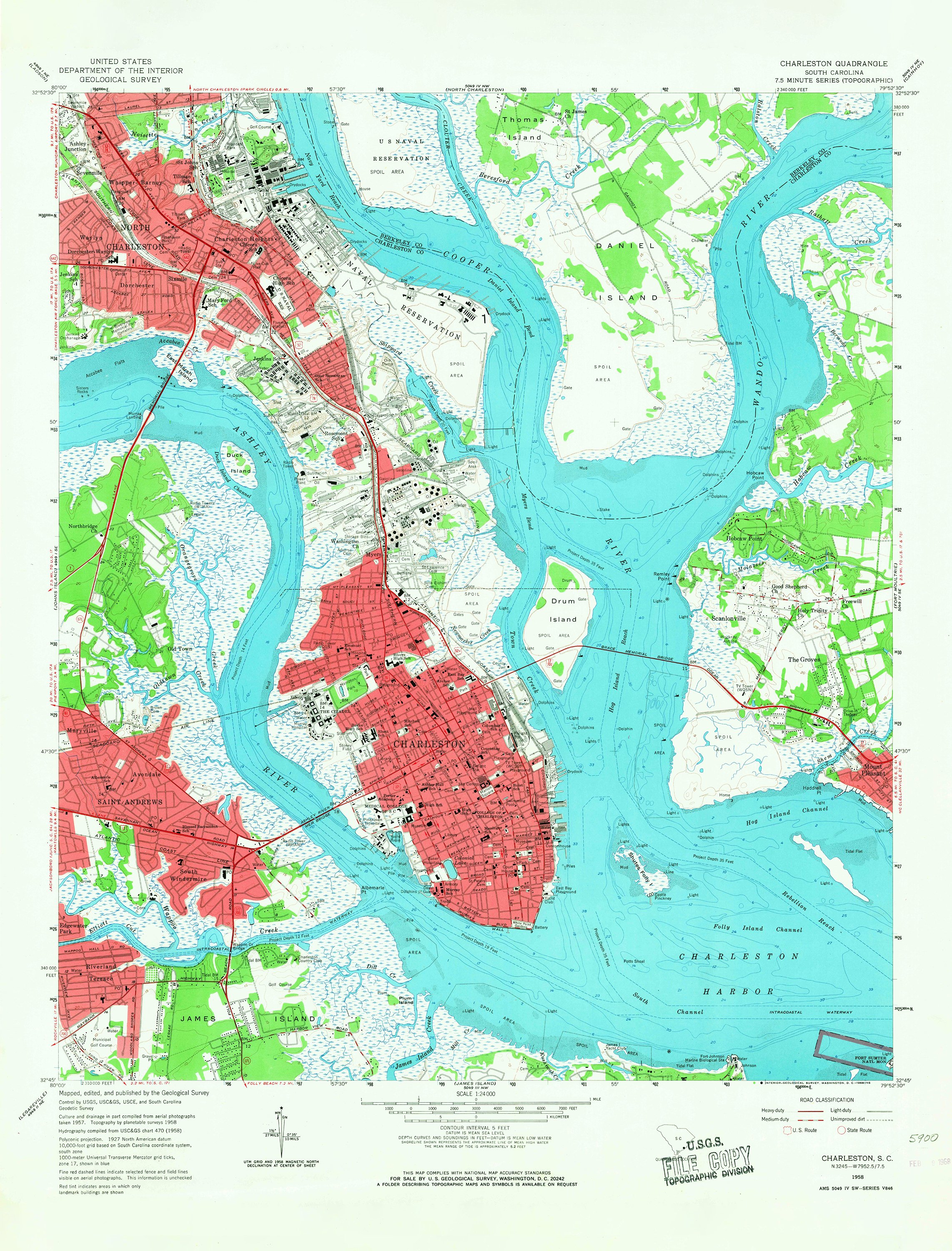
Historical Maps
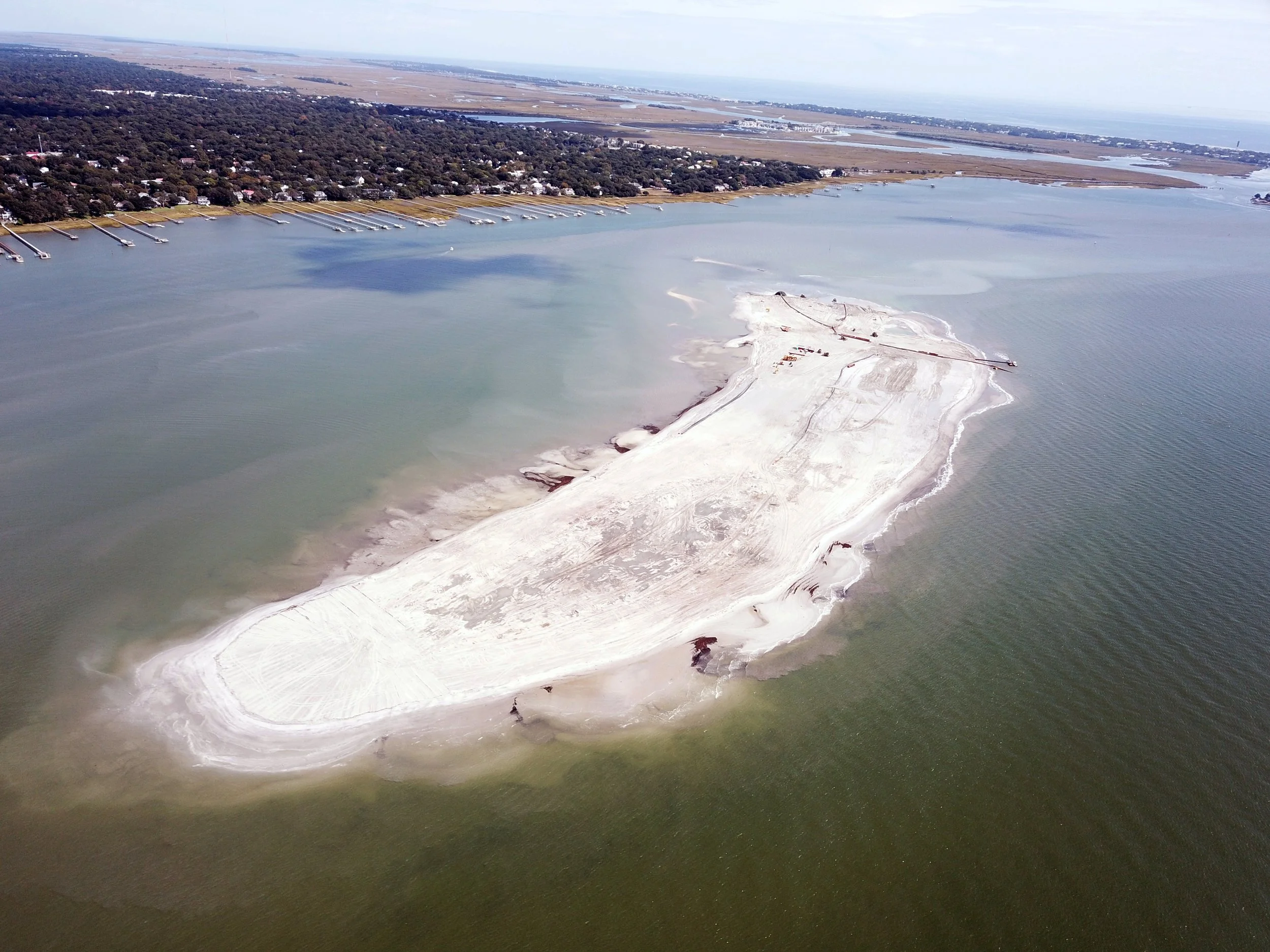
Crab Bank was rebuilt with one purpose: to give coastal birds a place to thrive.
“Created as a seabird sanctuary by SCDNR and the Army Corps of Engineers, it stands as a safe haven where threatened species can nest, raise young, and find refuge.”
⛶ Norfolk Dredging